
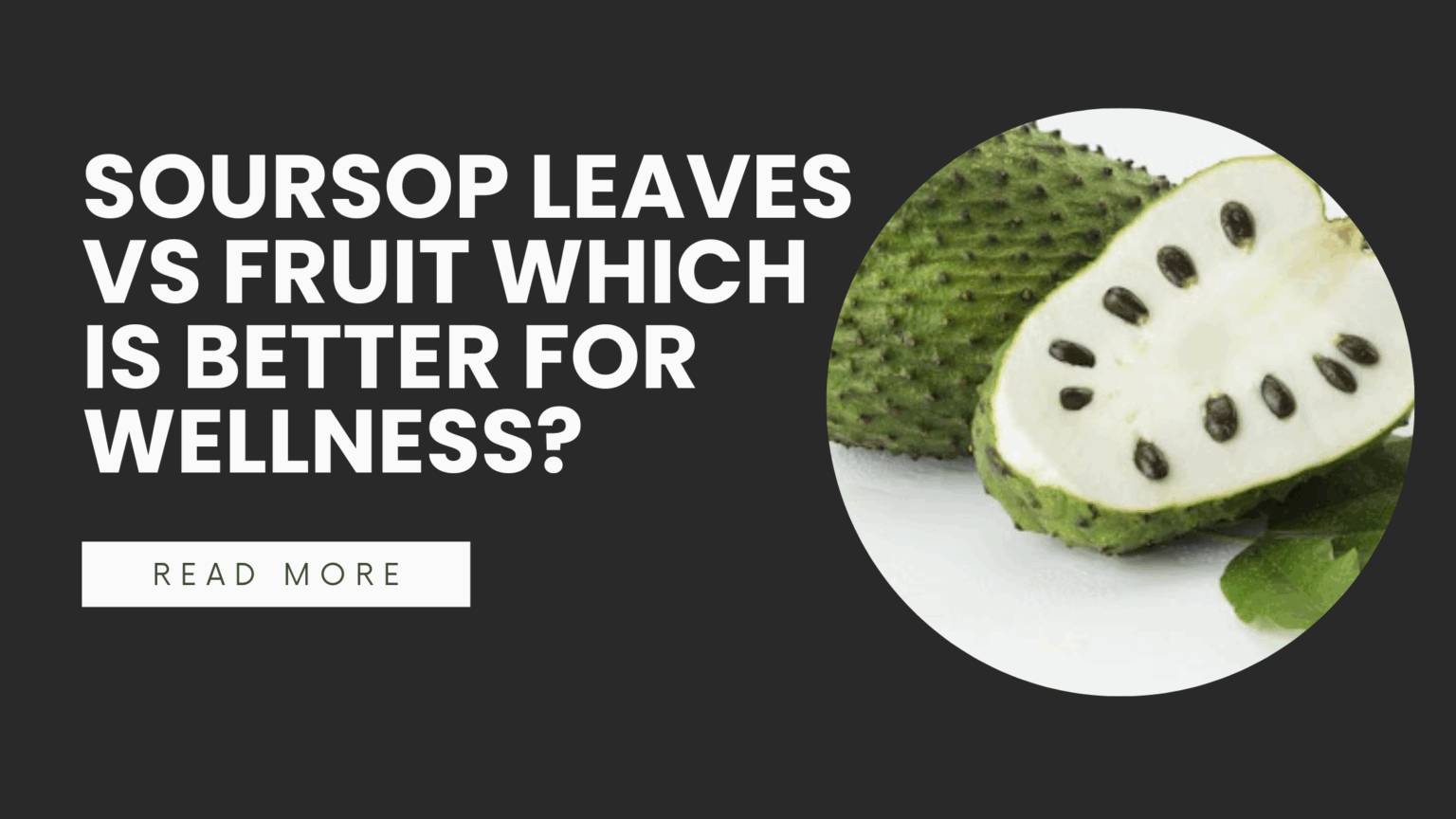
Soursop, also known as Graviola or Annona muricata, is a tropical plant celebrated for its diverse health benefits. From its soft, spiky fruit to its deep green leaves, almost every part of the soursop plant is used in traditional medicine and wellness practices around the world. But when it comes to choosing between the fruit and the leaves, which offers more value for your health?
Let’s explore the benefits of soursop fruit vs leaves to help you decide what fits your wellness routine best.
Nutritional Powerhouse: Soursop at a Glance
Both soursop fruit and leaves are packed with essential nutrients and bioactive compounds. However, they differ significantly in composition and health effects.
The fruit is rich in:
-
Vitamin C
-
Potassium
-
Dietary fiber
-
Antioxidants
While the leaves contain:
-
Acetogenins (believed to have anti-cancer effects)
-
Tannins
-
Alkaloids
-
Flavonoids
Benefits of Soursop Fruit for Wellness
If you’re seeking something to eat or drink that’s both delicious and health-boosting, the fruit is a great choice.
Immunity Booster
With a high concentration of vitamin C, the fruit helps improve immune function, aiding your body in fighting infections and boosting natural defenses.
Aids Digestion
Its rich fiber content helps regulate bowel movements and improves gut health—ideal for those with mild digestive issues.
Energy and Hydration
Made up of over 80% water and natural sugars, soursop fruit is hydrating and provides a mild energy lift—perfect for hot climates.
Benefits of Soursop Leaves for Wellness
While the fruit feeds your body, the leaves are more medicinal and used primarily in teas, capsules, and extracts.
Anti-Inflammatory & Anti-Cancer Potential
Soursop leaves contain acetogenins, which have been studied for their potential to inhibit cancer cell growth. They’re also effective in reducing inflammation.
Reduces Stress & Supports Sleep
Traditionally, soursop leaf tea is used as a natural sedative. Drinking it in the evening may help ease anxiety and promote restful sleep.
Blood Sugar & Blood Pressure Regulation
Several studies suggest that extracts from soursop leaves may help lower blood sugar levels and support heart health by reducing blood pressure.
Safety, Side Effects & Considerations
While both fruit and leaves are generally safe, moderation is key. Overconsumption of the fruit may cause nausea due to its high natural sugar content. The leaves, especially in high doses, should be consumed under guidance to avoid possible neurotoxicity linked to high levels of acetogenins.
So, Which One Is Better?
It depends on your wellness goals.
Choose soursop fruit if you want:
-
A tasty, nutritious snack
-
Immune and digestion support
-
A hydrating, energy-boosting food
Choose soursop leaves if you need:
-
Help with stress, sleep, or anxiety
-
Support for blood sugar or inflammation
-
A powerful herbal remedy with medicinal value
For many, using both together—fruit by day, leaf tea at night—creates a balanced, full-spectrum approach to wellness.
Where to Buy Soursop Leaves and Fruit Products
Looking for organic soursop teas, capsules, or dried leaves? Be sure to choose:
-
Non-GMO and chemical-free products
-
Verified and ethically sourced suppliers
[Insert your eCommerce product link here] – Shop premium, lab-tested soursop products trusted by wellness enthusiasts.
Final Thoughts
When comparing the benefits of soursop fruit vs leaves, there’s no absolute winner. Each brings unique advantages to your health. Whether you sip the tea, enjoy the fruit in a smoothie, or take a supplement, you’re tapping into one of nature’s most powerful plants.
Start your wellness journey today with soursop—the miracle tree that does it all.
Also, checkout: